
You just built that beautiful new deck or outdoor structure using pressure-treated lumber. Now you’re staring at that greenish-brown wood, wondering if you can paint over it to match your home’s exterior. Here’s the thing: yes, you can paint pressure-treated wood, but there’s a catch.
The chemical preservatives that make treated wood resistant to rot and insect damage also create a barrier that prevents paint from adhering properly. If you slap paint on too soon, you’ll watch it peel away within months.
Let us walk you through exactly how to paint pressure-treated wood the right way, so your outdoor projects look great and stay protected for years.
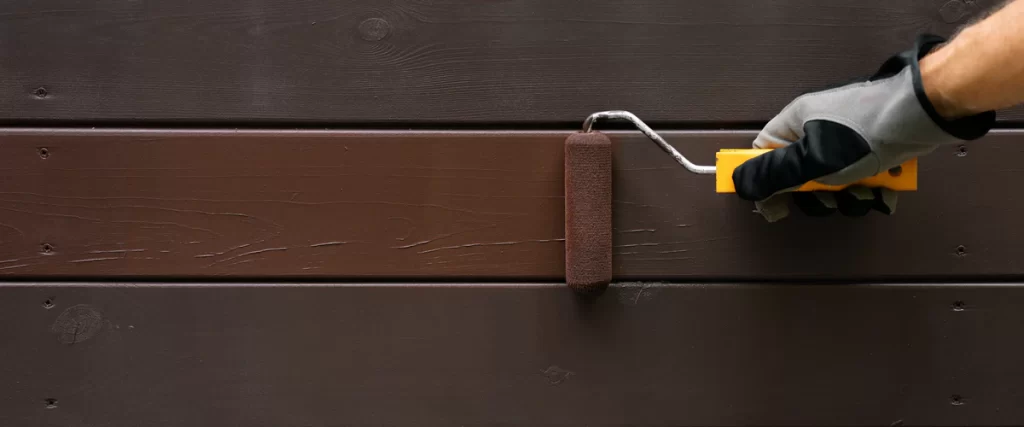
Understanding Pressure-Treated Wood
Pressure-treated lumber undergoes a special treatment process in which wood fibers are infused with water and preservative chemicals under high pressure. These chemical preservatives penetrate deeply into the wood, helping it resist rot and last longer in outdoor structures such as deck boards, fence posts, and garden beds.
The treatment process leaves the wood saturated with moisture. Fresh pressure-treated wood can have a moisture content anywhere from 40% to 60%. Compare that to untreated lumber, which typically has a moisture content of around 15%.
That trapped moisture needs to escape before the wood surface can accept paint or stain.
Can You Actually Paint Pressure-Treated Wood?
Absolutely. Once your treated wood has dried completely, it becomes exterior-grade wood ideal for painting. The key is patience. Those preservative chemicals need time to cure, and the moisture level must drop significantly.
Some treated wood is kiln-dried after treatment. KDAT wood (kiln-dried after treatment) speeds things up because manufacturers put it through a special depressurized holding tank that removes excess moisture. If you can find KDAT wood at your lumber yard, you might be able to paint it within a few weeks instead of months.
But here’s what most people don’t realize: even kiln-dried treated wood needs testing before you paint. Weather conditions, humidity levels, and how the wood’s been stored all affect its readiness.
We’ve seen homeowners paint treated wood too soon, resulting in uneven coverage, bubbling, or paint that just won’t adhere properly.
Preparing Pressure-Treated Wood for Paint
A clean surface makes all the difference. Start by washing your treated wood with warm, soapy water and a stiff-bristle brush. This removes dirt, mill glaze (that smooth, shiny surface from the manufacturing process), and any waxy residue from the preservative chemicals.
Mix mild detergent with water in a bucket. Scrub the entire surface thoroughly. For vertical surfaces or stubborn grime, a pressure washer works well, but keep it on a lower setting. You don’t want to damage the wood fibers. Let everything dry for at least two days after washing.
Here’s my prep checklist:
- Test the moisture content with the water drop test or a moisture meter
- Clean the wood surface with soapy water
- Scrub with a stiff brush to remove mill glaze
- Rinse thoroughly and let dry completely
- Sand any rough spots lightly
- Wipe away dust before applying primer
Some spots might show rough grain or splinters. Light sanding smooths these out and helps the primer grab better. You don’t need to sand the entire surface unless it’s really rough. Just focus on problem areas.

How To Paint Pressure-Treated Wood Step-by-Step
Now comes the fun part. Applying paint to properly prepared pressure-treated wood actually goes pretty smoothly.
1. Apply Primer First
Don’t skip the primer. High-quality exterior primer creates a barrier between the wood and your paint finish, helping everything adhere properly.
Apply primer with a brush, roller, or paint sprayer, depending on the size of your project. A paint sprayer covers large deck boards or fences faster, while a brush gives you better control on railings and detailed work.
One coat of primer is usually enough. Let it dry completely according to the manufacturer’s instructions, typically 24 hours.
2. Add Your First Coat
Once the primer dries, you can apply your exterior paint. Water-based paint works better than oil-based paint on pressure-treated wood because the moisture content in treated wood can prevent oil-based formulas from curing properly. Exterior latex paint is your best bet for outdoor structures.
Apply an even coat across all surfaces. Work in sections to maintain a wet edge and avoid lap marks. Let this first coat dry for at least 24 hours.
3. Apply a Second Coat for Protection
Your outdoor projects need that second coat for real durability. This fresh coat adds depth to the color and extra protection against the weather. Apply it just like the first, keeping your strokes consistent and coverage even.
According to the U.S. Environmental Protection Agency, properly treated and finished wood products help reduce environmental impact by extending the lifespan of outdoor structures. Taking time to paint your wood right means fewer replacements and less waste.
Choosing the Best Paint and Primer
Not all paints work equally well on treated wood. You want products specifically designed for exterior use that can handle moisture and temperature changes.
For primer, look for products labeled “for pressure-treated wood” or “exterior wood primer.” These formulas bond better to the wood surface, even with slight moisture remaining. Avoid oil-based primers since they don’t play well with the water-based preservative chemicals in treated wood.
When picking your paint, stick with exterior latex or 100% acrylic. Here are the benefits of these water-based options:
- They breathe better, letting any remaining moisture escape
- They flex with wood movement from temperature changes
- They’re easier to clean
- They last longer in outdoor conditions
The right paint makes a huge difference. Cheap paint might save you money upfront, but you’ll be repainting in a year or two instead of five to ten years.
If you’re working on other outdoor projects like a deck that needs refinishing, check out professional deck painting and staining services that use commercial-grade products designed for maximum durability.
FAQ: Common Questions About Painting Pressure-Treated Wood
How long should I wait before painting new pressure-treated wood?
Wait at least 2-3 months in warm, dry conditions, or up to 6 months in cooler, humid climates. Test the wood with a moisture meter or water drop test before painting. The moisture content should be below 15%.
Can I use oil-based paint on pressure-treated lumber?
You can, but avoid oil-based paints for the best results. The water and preservative chemicals in treated wood don’t bond well with oil-based formulas. Water-based paint or exterior latex paint performs much better and lasts longer.
Should I stain or paint my pressure-treated wood?
It depends on the look you want. Stain pressure-treated wood if you like seeing the natural wood grain. Paint offers more color options and provides a more protective barrier. Both work great if you prep the wood properly.
Why is my paint peeling off my treated wood?
Paint peels when you apply it before the wood is fully dry, skip the primer, or don’t clean the wood surface properly. The mill glaze and excess moisture prevent paint from bonding. Always test for dryness and use proper preparation methods.
Can I paint pressure-treated wood in cold weather?
We don’t recommend it. Most exterior paints need temperatures above 50°F to cure properly. Cold weather prolongs the drying process and can impair adhesion. Plan your painting project for mild, dry weather conditions.
Let the Professionals Handle It
Look, painting pressure-treated wood properly takes months of waiting, careful testing, thorough cleaning, and the right products. You need to check moisture levels, possibly rent or buy equipment, spend weekends scrubbing and painting, and hope you got the timing right. One mistake in the drying process or primer selection, and you’re back to square one when the paint starts peeling.
Why put yourself through all that stress? Professional painters know exactly how to test your wood, which products work best, and how to get a paint finish that actually lasts. We’ve got the high-end equipment, the experience to spot potential problems, and the know-how to do the job right the first time.
Ready to get your pressure-treated deck looking exactly how you want it without the hassle? Call us at (317) 903-2431 or message us here to discuss your project and get a quote. We’ll make sure your outdoor structures look amazing and stay protected for years to come.